
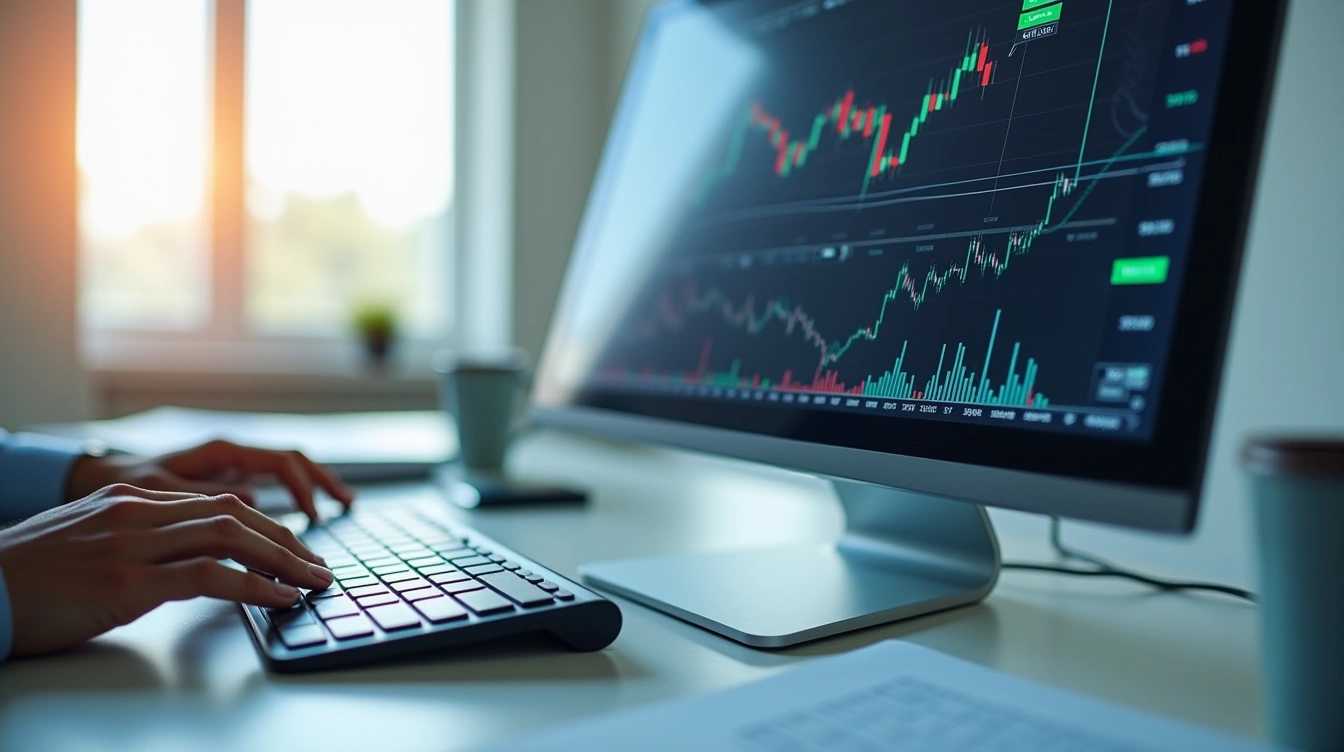
Financial markets generated over $6.6 trillion in daily trading volume in 2024, according to the Bank for International Settlements, offering exceptional opportunities for traders equipped with the right tools. Mastering modern trading requires a thorough understanding of platforms, technical analysis strategies, and risk management methods. Are you ready to transform your approach to financial markets? Discover essential resources at https://trading-nest.eu/ to develop your trading skills.
Essential Trading Accounts: Foundation for Market Success
Choosing the right trading account determines your path in the financial markets. Each account type meets specific needs depending on your experience level and investment goals.
Also to see : Plan the perfect luxury destination wedding in france
Demo accounts are the ideal starting point for any beginner trader. They offer a risk-free environment where you can test your strategies with virtual funds. This approach allows you to gain practical experience with trading platforms and understand market dynamics without risking your capital.
Live accounts mark the transition to real trading. They require an initial deposit and expose you to real market fluctuations. Emotional management then becomes crucial, as every decision directly impacts your portfolio.
In the same genre : Why Are British Politicians Facing Increasing Public Scrutiny?
For less experienced investors or those with substantial capital, managed accounts offer an attractive alternative. Qualified professionals manage your investments, allowing you to benefit from their expertise while maintaining control over your funds.
Professional Trading Platforms and Software Solutions
Choosing the right trading platform is a crucial factor in your success in the financial markets. Modern platforms offer much more than simple order execution tools: they integrate advanced technical analysis, risk management, and customizable interfaces.
The leading platforms are distinguished by their specific features:
- MetaTrader 5: Comprehensive interface with advanced technical indicators and integrated algorithmic trading
- TradingView: Professional charts and an active community for shared analysis
- ProRealTime: Sophisticated backtesting tools and automated strategy programming
- cTrader: Ultra-fast execution and optimized scalping features
Evaluating a platform should consider execution speed, stability during volatility spikes, and the wealth of analytical tools. Beginner traders will prioritize user-friendliness and integrated educational resources, while professionals will look for advanced features such as APIs to develop their own indicators.
Risk Management Tools and Portfolio Protection Strategies
Risk management is the cornerstone of any successful trading strategy. Professional traders use specialized tools to protect their capital and optimize their performance in the financial markets.
The stop-loss order is the most essential protection tool, automatically limiting losses on each open position. This feature, available on all modern platforms, must be set up before each trade to avoid catastrophic losses.
Money management determines position sizes based on available capital and the acceptable level of risk. The 1-2% rule per trade remains a key benchmark for preserving capital over the long term, even in the event of a losing streak.
Volatility indicators such as the ATR (Average True Range) allow for adjusting stop-loss levels according to market conditions. This dynamic approach optimizes protection while preventing premature exits caused by market noise.
Developing Profitable Trading Skills and Expertise
Developing profitable trading skills rests on two fundamental pillars: technical mastery and psychological discipline. Successful traders combine rigorous market analysis with exemplary emotional management, thus creating the conditions for lasting success.
Fundamental analysis allows you to understand the macroeconomic forces that influence prices, while technical analysis reveals the behavioral patterns of investors. This dual approach enriches your market vision and significantly improves your decision-making. Continuous training then becomes essential to remain competitive in a constantly evolving environment.
Hands-on learning remains the most effective method for developing your expertise. Start by mastering the basic concepts on a demo account, then gradually progress to trading with real capital. This methodical progression allows you to integrate the necessary psychological skills while refining your analytical strategies.
Capital Requirements and Investment Planning
The minimum capital required to start trading varies considerably depending on your goals and strategy. Most brokers require an initial deposit of €100 to €500 for standard accounts, although some allow you to start with smaller amounts. However, a realistic approach suggests having at least €1,000 to trade effectively while managing risk.
Budget planning is the foundation of a sustainable trading career. You must keep your trading capital separate from your personal savings and never risk more than 2% of your total capital on a single position. This risk management rule protects your account from inevitable market fluctuations.
Gradual growth strategies prioritize capitalizing on profits rather than rapidly increasing positions. Regulatory aspects also impose specific tax constraints depending on your jurisdiction, particularly regarding capital gains and the reporting of trading income.
Your Trading Questions Answered
What are the essential tools needed to start trading successfully?
You need a reliable trading platform, real-time market data, charting software, risk management tools, and a solid internet connection. Start with basics before adding advanced indicators.
How do I choose the right trading account for beginners?
Look for accounts with low minimum deposits, educational resources, demo access, competitive spreads, and strong regulatory protection. Avoid complex features until you gain experience.
What’s the difference between demo and live trading accounts?
Demo accounts use virtual money for practice without risk, while live accounts involve real capital. Emotional pressure and slippage differ significantly between both account types.
Which trading platform is best for new traders?
Beginner-friendly platforms offer intuitive interfaces, educational tools, low fees, and comprehensive support. Popular choices include MetaTrader 4, TradingView, and broker-specific platforms with tutorials.
How much money do I need to start trading professionally?
Professional trading typically requires substantial capital – minimum $10,000-$25,000 for adequate diversification and risk management. Start smaller while learning, then scale up gradually.